
Crop Monitoring Education Series
This series aims to help cut flower growers in NSW develop effective crop monitoring programs. Over four modules, we explain why you should be monitoring your crops, how to develop a monitoring plan, and useful tools for implementation. Hosted by Andy Ryland, IPM consultant, and Robert Spooner-Hart, Professor of Applied Entomology at Western Sydney University.
Module 1: Monitoring basics
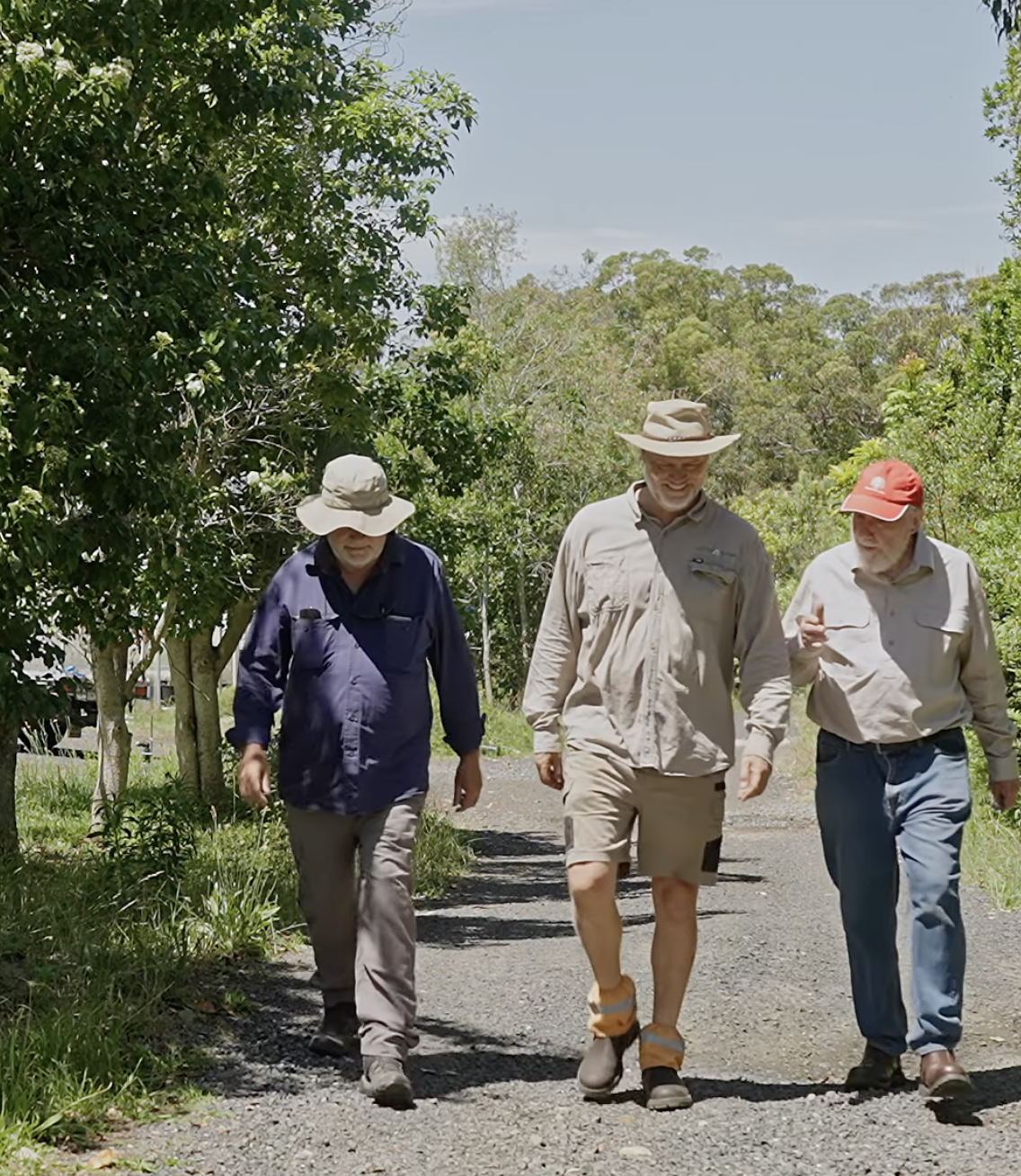
A good monitoring program can give you peace of mind. It can also save money by ensuring that resources are not wasted on pests or other problems that aren’t actually there. This module details how a monitoring program enables you to identify specific problems, and their solutions, and demonstrates the use of basic tools that can be used for effective monitoring.
Module 2: Developing a monitoring plan
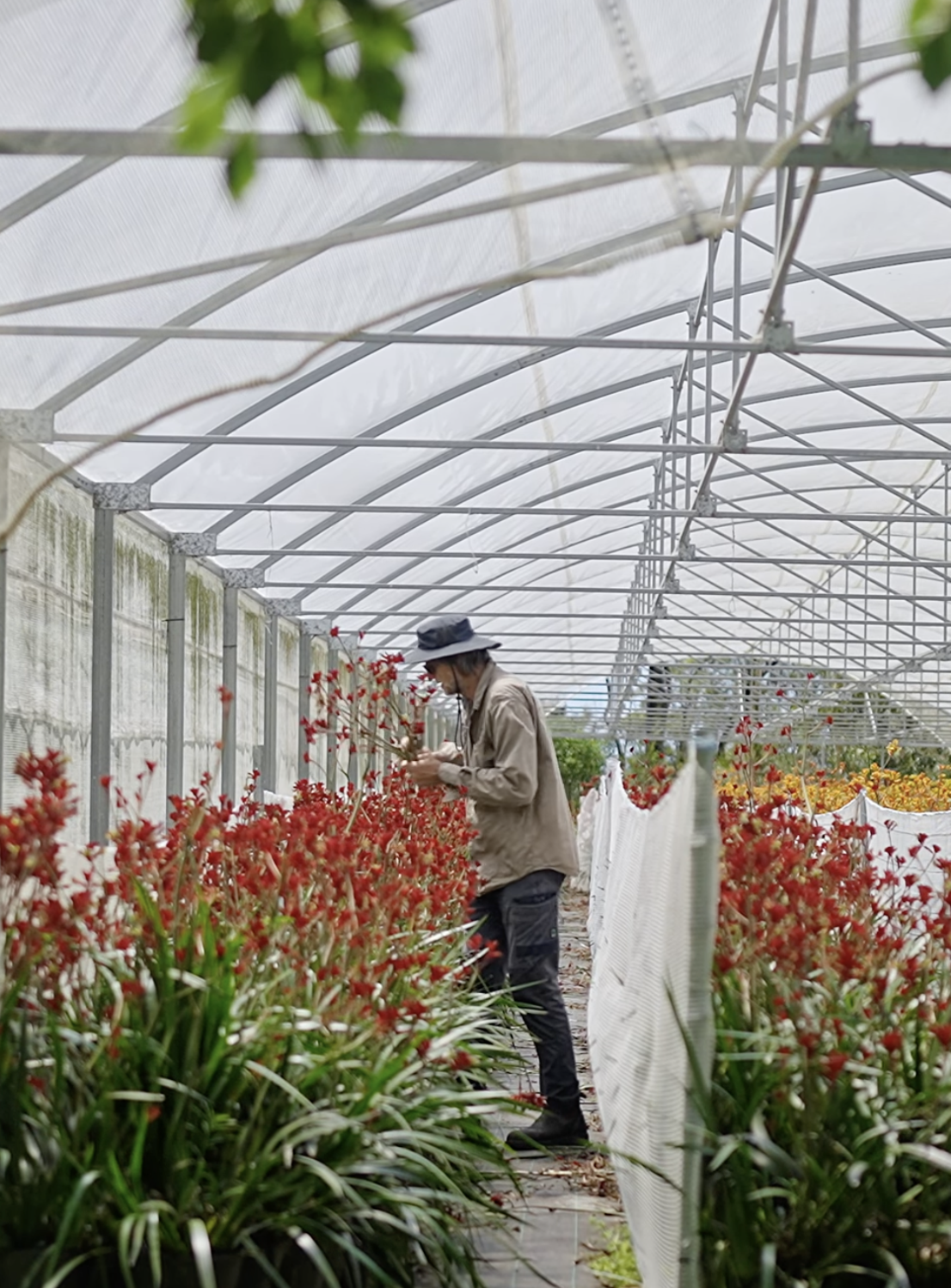
Who? What? When? Where? How? This module details the development of an effective monitoring plan; from the times of year to monitor crops, to those who should be involved, and how to record data which accurately captures the crop area and the life stages of pests and other insects.
Module 3: Monitoring aids
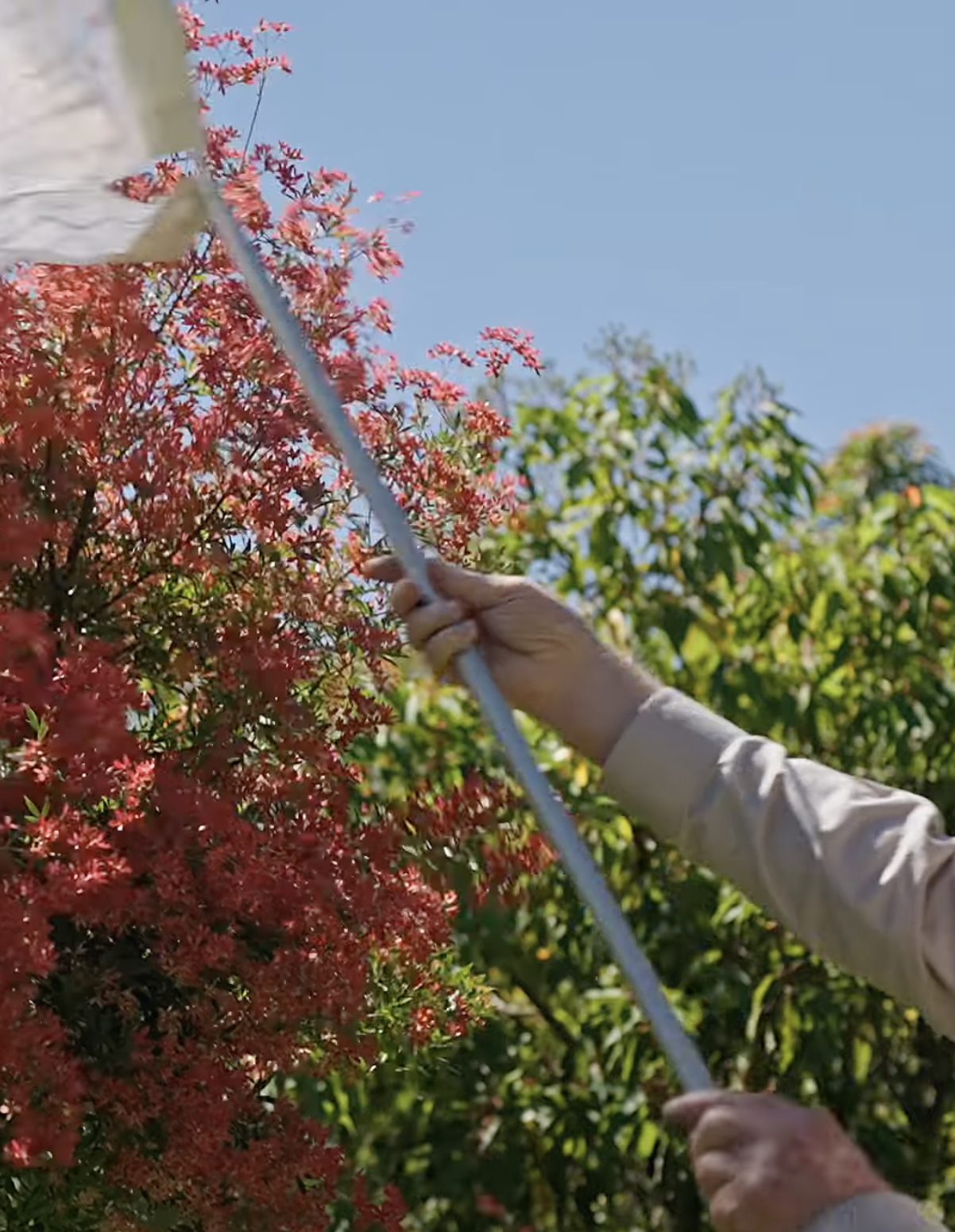
While aids don’t replace monitoring, there are multiple tools which can assist in identification of pests and their development through crop. This module is an overview of monitoring aids and how to use them, including: sticky traps, pheromone lures, soil moisture meters and light traps.
Module 4: Next steps
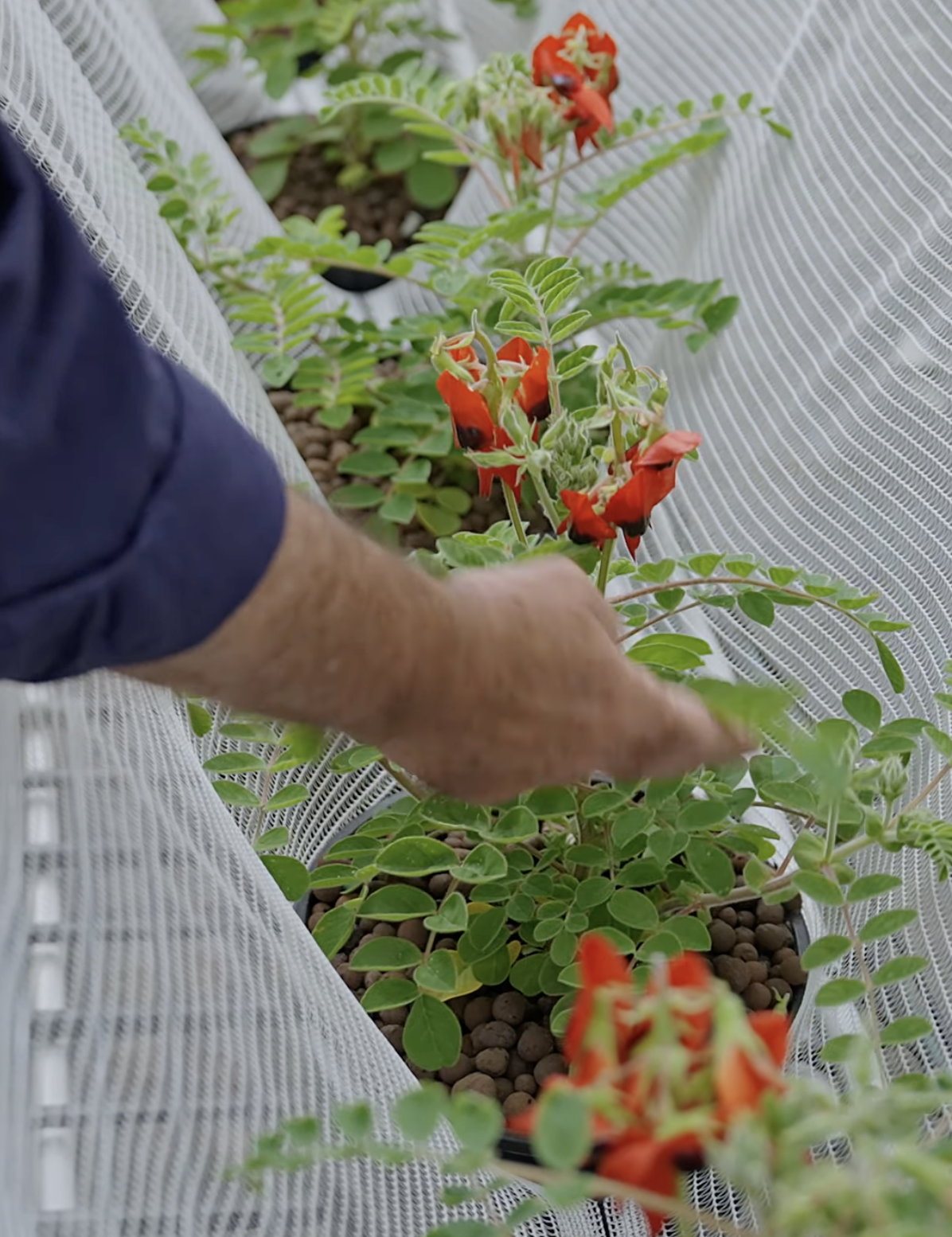
Recording your monitoring data is essential. In this final module, we discuss the importance of capturing the full picture of crop monitoring: when a strategy is successful, partially successful, or not effective at all.